
Jacob Wolf House
Historic site in Norfork.
Our Mission
The Arkansas Historic Preservation Program works to save the special places that tell the story of Arkansas.
Our Vision
The Arkansas Historic Preservation Program (AHPP) works with people across the state and beyond to identify, protect and promote our special places – our Historic Arkansas.


About Us
The work of the Arkansas Historic Preservation Program is all about discovering, documenting and preserving the historic treasures of our state—from homes and courthouses, to cemeteries and monuments, even battlefields and Native American mounds.
We are located inside the Arkansas Heritage building and our program is divided into areas to help us better serve the people of our state:
- The National Register of Historic Places (governed by the rules set forth by the National Park Service)
- The Arkansas Register of Historic Places
- Grant Programs: Certified Local Government Grants, Courthouse Restoration Grants, Historic Preservation Restoration Grants, Downtown Revitalization Grants (for Arkansas Downtown Network Cities) and Downtown Revitalization Grants (for Arkansas Main Street Cities)
- Tax Assistance Programs: Rehabilitation Tax Credit and Major Rehabilitation Tax Credit
- Section 106 Review and Compliance, part of the National Historic Preservation Act of 1966 (NHPA)
- Conservation Easements
- Main Street Arkansas
- Education and Outreach Services including Cemetery Preservation, Preserve Our Past Art and Essay Contest, Barn Preservation Workshops and our popular Sandwiching in History and Walks Through History Tours
We look forward to working to fostering new understanding and appreciation of the places that provide us with tangible links to our past.
And while this list just scratches the surface of the services our program provides, know that we are always working with federal, state and local government agencies to protect the past even as we work together toward a prosperous future.
How can we help?
We Have an Event Coming Up!
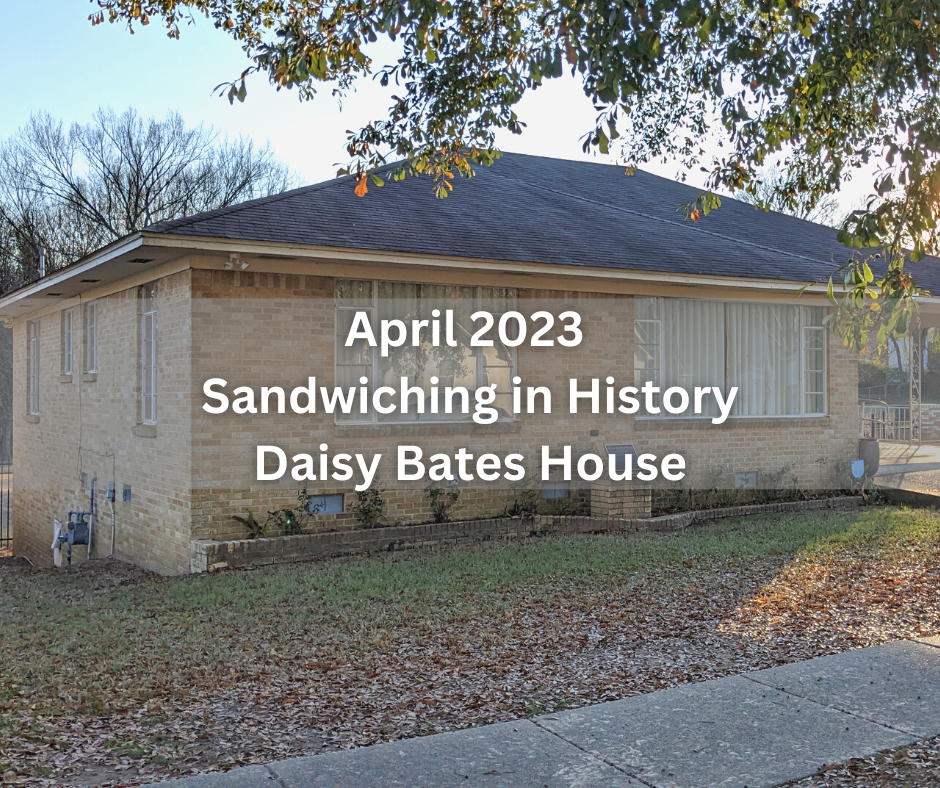
Sandwiching in History: Daisy Bates House
- April 07, 2023
- 12:00PM - 01:00PM
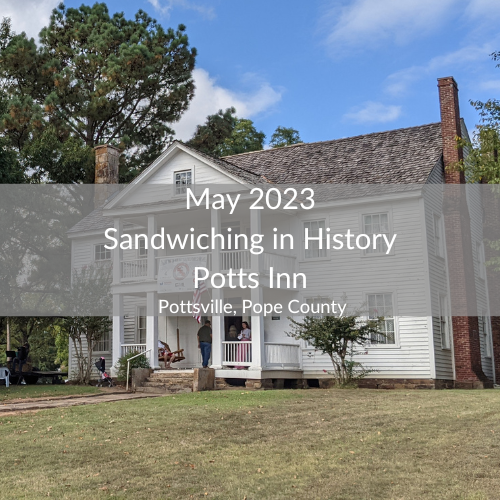
Sandwiching in History: Potts Inn
- May 05, 2023
- 12:00PM - 01:00PM
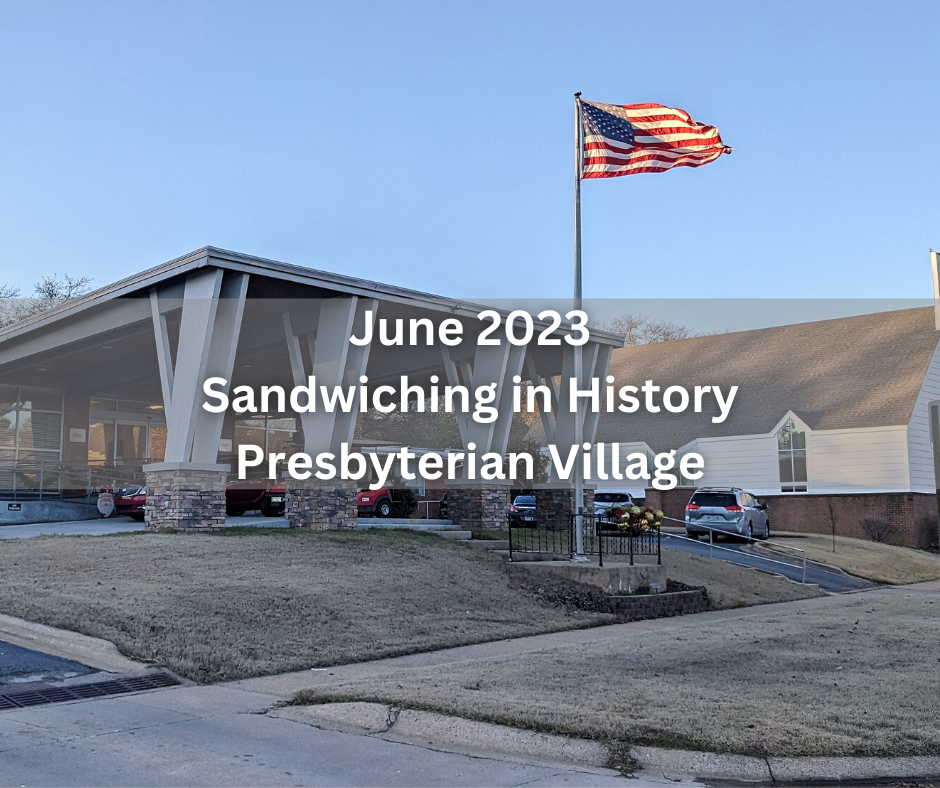
June Sandwiching in History: Presbyterian Village
- June 02, 2023
- 12:00PM - 01:00PM